
Cumberland Island, Georgia: Complete Visitor Guide
Cumberland Island, Georgia, is one of the most remarkable places along the Southeast coast. Located just off the mainland near St. Marys, this protected barrier island is known for its undeveloped beaches, free-roaming wild horses, maritime forests, historic ruins, wildlife, and peaceful coastal scenery.
Whether you're planning your first visit, researching the ferry, hoping to see the wild horses, or looking for a quiet stretch of Atlantic beach, Cumberland Island offers an experience unlike most coastal destinations.
This guide from 912 Coastal brings together the essential information you need to plan your visit, explore the island's history, and discover more of the Georgia coast.
Where Is Cumberland Island, Georgia?
Cumberland Island lies off the coast of Camden County in southeastern Georgia, near the Florida state line. The historic waterfront town of St. Marys serves as the main departure point for visitors traveling to Cumberland Island National Seashore.
The island is accessible by passenger ferry or private boat. There are no bridges connecting it to the mainland, and visitors should plan ahead because services and amenities on the island are limited.
Much of Cumberland Island remains protected, preserving its natural beaches, coastal forests, marshes, wildlife habitat, and historic landmarks.
For visitors staying in St. Marys, Cumberland Island is a memorable day-trip destination and one of the defining experiences of Georgia's southern coast.
Planning Your Cumberland Island Visit
Before you head to the island, it helps to understand transportation, timing, and what to bring. A little preparation can make a big difference when spending the day in a place with limited facilities.
Getting to Cumberland Island
Most visitors begin their trip in downtown St. Marys, Georgia, where the passenger ferry departs for Cumberland Island National Seashore. Ferry reservations are recommended, and schedules can vary by season.
Plan to arrive early for check-in and review the latest departure information before leaving home.
Read next: Cumberland Island Ferry: What to Know Before You Go
What Should You Bring?
Cumberland Island is not a typical beach destination with restaurants, convenience stores, and services nearby. Visitors should bring drinking water, food, sunscreen, insect repellent, comfortable walking shoes, and a way to carry their trash back off the island.
Your packing list may also depend on whether you're planning to hike, spend time on the beach, explore historic areas, or camp overnight.
Read next: Best Things to Bring to Cumberland Island
Can You Visit Cumberland Island in One Day?
Yes. A day trip is a popular way to experience Cumberland Island, although the amount you can see depends on your ferry schedule, walking distance, and priorities.
Choose a few places or activities you most want to experience rather than assuming you can explore the entire island in a single visit.
Read next: How to Plan a Cumberland Island Day Trip from St. Marys
Best Things to See and Do on Cumberland Island
Cumberland Island offers a combination of natural beauty, outdoor recreation, and history. You can spend time walking the beach, exploring forest trails, observing wildlife, or visiting historic sites.
Explore the Undeveloped Beaches
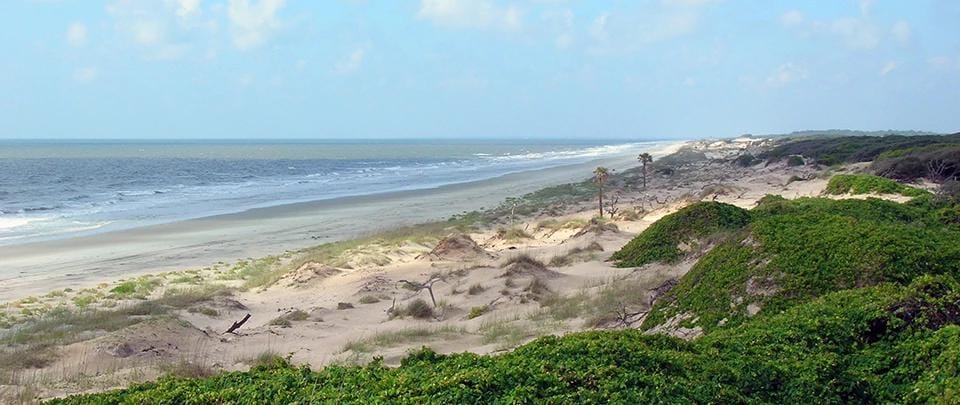
Cumberland Island's Atlantic beaches are among its biggest attractions. The natural shoreline provides room for beach walks, photography, shell searching, wildlife observation, and enjoying the ocean away from heavily developed beachfront communities.
Remember that beach conditions, tides, weather, and seasonal wildlife protections can affect where and how you should explore.
Look for the Famous Wild Horses
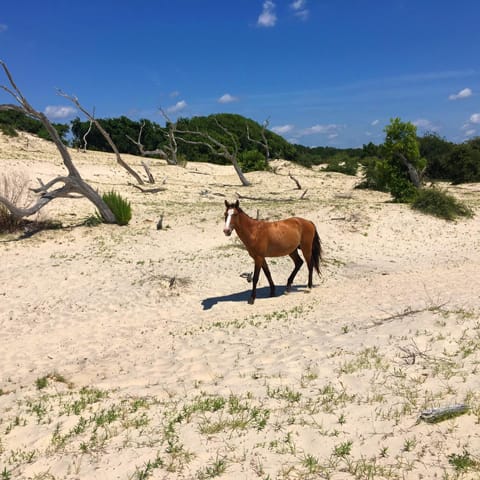
Cumberland Island is well known for its free-roaming horses. Seeing them in their natural surroundings is memorable, but these are wild animals, not domesticated horses.
Observe them from a safe distance. Never approach, feed, touch, or attempt to photograph them at close range. Giving wildlife space helps protect both visitors and the animals.
Read next: Cumberland Island Wild Horses: What Visitors Should Know
Discover the Island's History
Cumberland Island's story includes Indigenous history, early settlement, plantation-era history, historic estates, and the remains of earlier communities.
The island's historic structures and ruins offer a glimpse into the people and events that shaped this part of the Georgia coast. Visitors should respect protected sites and posted boundaries.
One of the island's best-known historic landmarks is First African Baptist Church, which gained widespread public attention as the location of John F. Kennedy Jr. and Carolyn Bessette's 1996 wedding.
Read next: JFK Jr. & Carolyn Bessette's Cumberland Island Wedding: The Secret Story
Cumberland Island Beaches, Wildlife, and Outdoor Adventures
Beyond the main attractions, Cumberland Island rewards visitors who slow down and pay attention to the landscape.
Maritime forests provide shade along portions of the island's trail network. Coastal marshes and tidal waterways support wildlife, while the beaches offer opportunities to observe birds and other coastal species.
Hiking and biking can help visitors reach different parts of the island, but distances can be greater than they first appear. Check trail information, available facilities, and ferry departure times before setting out.
If you are interested in fishing, Cumberland Island also offers opportunities in appropriate beach and coastal areas. Before fishing, check current park rules, applicable Georgia fishing regulations, protected areas, and any restrictions affecting the location you plan to use.
Read next: Cumberland Island Fishing: A Complete Guide
Can You Camp on Cumberland Island?
Camping is available at designated locations on Cumberland Island, but it requires advance planning and a reservation. Campers must account for ferry transportation, walking distances, water availability, food storage, and the requirement to pack out their trash.
Camping conditions and restrictions differ between developed and wilderness campgrounds. Check the National Park Service's current camping guidance before making plans.
For a first visit, a day trip may be the simpler option. For experienced outdoor visitors, an overnight stay can provide more time to explore the island.
Helpful Tips for First-Time Visitors
Before traveling to Cumberland Island, keep these practical points in mind:
Reserve ferry transportation ahead of time.
Check the latest ferry schedule and return departure requirements.
Arrive early for check-in.
Bring your own food and drinking water.
Wear comfortable shoes suitable for walking on natural trails.
Carry sunscreen and insect repellent.
Keep a safe distance from wild horses and other wildlife.
Respect historic sites, private property, posted closures, and protected habitats.
Carry out all trash.
Check weather conditions and allow enough time to return to your ferry dock.
Because transportation and facilities are limited, planning ahead is especially important for families, first-time visitors, and anyone hoping to explore beyond the immediate ferry landing areas.
Explore More Cumberland Island Guides from 912 Coastal
Planning a visit is easier when you have the right information in one place.
Use these dedicated guides to explore the topics that matter most to your trip.
Getting There and Planning Your Trip
Beaches, Wildlife, and Things to Do
History and Local Stories
Fishing and Coastal Recreation
Explore each guide for more detailed information about its specific topic. We will continue expanding our Cumberland Island coverage as part of the 912 Coastal collection of Georgia and Northeast Florida coastal guides.
Make St. Marys Part of Your Visit
Cumberland Island is only part of what makes this stretch of the Georgia coast worth exploring. Before or after your island trip, take time to discover St. Marys, a waterfront town with its own history, coastal scenery, and access to the St. Marys River.
Our St. Marys guides cover local attractions, fishing opportunities, waterways, and other ways to experience the area.
Continue exploring: St. Marys, Georgia: Complete Coastal Guide to Cumberland Island & More
Start Planning Your Cumberland Island Adventure
Cumberland Island offers something increasingly difficult to find along the coast: a chance to experience beaches, forests, wildlife, and history in a largely undeveloped setting.
Whether you are visiting for the wild horses, the Atlantic shoreline, a historic landmark, a fishing trip, or simply a day outdoors, planning ahead will help you make the most of your time.
Use this 912 Coastal guide as your starting point, then explore our individual Cumberland Island articles for more detailed information.
More Cumberland Island From 912 Coastal

The Heritage Collection
Built for the Coast. Ready for Every Adventure.
The Heritage Long Sleeve delivers lightweight comfort, moisture-wicking performance, and UPF 44+ sun protection for long days on the water. It's a dependable coastal layer for fishing, boating, dock days, and watching the sunset.

Introducing the Free Buoy Collection
Not Everyone Blends In... And Neither Should Your Hat.
The Free Buoy Hats bring bold colors and unmistakable coastal personality to your next fishing trip, beach day, or boat ride. Comfortable and easy to wear, they're made for anyone who doesn't mind standing out.

912 Coastal Coastal Classics™
Built for Long Days on the Water.
The Coastal Classics™ Performance Fishing Shirt combines lightweight comfort and performance features to keep you cool and comfortable while fishing, boating, or enjoying the dock. It's made for long days on the water and everyday life along the coast.

ABOUT 912 COASTAL
912 Coastal is your home for fishing, boating, and coastal living across Georgia and Northeast Florida. Discover local fishing reports, gear reviews, guides, and coastal adventures.
Tight lines, and welcome to the 912 Coastal community!


Join thousands of anglers and get fishing tips, local reports, new blog posts, gear recommendations, and exclusive 912 Coastal updates delivered to your inbox.