Cumberland Island Fishing: A Complete Guide
Cumberland Island Fishing: A Guide to Fishing Georgia's Coastal Island
If you're looking for a unique fishing experience near St. Marys, Georgia, Cumberland Island deserves a spot on your list.
Cumberland Island National Seashore offers anglers several different fishing environments, from the Atlantic beach and tidal marshes to docks, creeks and freshwater areas. The National Park Service specifically identifies shore fishing, deep-sea fishing, stream fishing and fishing in freshwater lakes among the opportunities available on the island.
The island is located about six miles east of St. Marys and is accessible only by passenger ferry or private boat, making a fishing trip there feel very different from simply pulling up to a local boat ramp.
Fishing Cumberland Island From Shore
One of the biggest advantages of Cumberland Island is that you don't necessarily need a boat to fish it.
The island has approximately 18 miles of beach, along with marshes, docks, creeks and other coastal habitat.
Beach anglers can work the surf and look for troughs, cuts, sandbars and areas where bait is being pushed by the tide.
Other anglers may prefer fishing around the island's tidal creeks and marsh edges.
The key is understanding that Cumberland Island isn't one single fishery.
It gives you several different environments to choose from.
What Can You Catch Around Cumberland Island?
The species you encounter will depend on the season, location, tide, water conditions and whether you're fishing the beach, marsh or deeper water.
Potential saltwater catches include:
Black drum
Whiting
Sharks
Other coastal species
The National Park Service also notes freshwater fishing opportunities for species such as bass and bluegill, along with opportunities to gather shrimp and crabs in the marshes where permitted.
Cumberland Island Surf Fishing
The Atlantic side of Cumberland Island provides miles of undeveloped beach for anglers who enjoy surf fishing.
Rather than randomly casting into the surf, look for changes in the beach.
Pay attention to:
Cuts in sandbars
Deeper troughs
Points
Areas where waves break differently
Rip currents
Bait activity
Birds working over bait
Fish often use these changes in the bottom to move and feed.
You don't have to cast as far as possible.
Sometimes the productive water is much closer to shore than you expect.
Fishing the Tidal Marshes
The marsh side of Cumberland Island is a completely different fishing environment.
Tidal creeks, grass edges, oyster areas and drains can concentrate bait as water moves in and out with the tide.
For anglers targeting redfish, trout or other inshore species, these areas can be worth exploring.
Look for places where:
marsh + current + bait + structure come together.
That's where things can get interesting.
Cumberland Island Redfish
Redfish are one of the species many inshore anglers hope to encounter around Cumberland Island.
Look around:
Creek mouths
Grass edges
Oyster structure
Shallow flats
Deeper creek bends
Current seams
Areas holding bait
The tide can completely change where fish are positioned.
A shallow flat might be productive on one part of the tide, while a nearby creek edge becomes more attractive as water drains from the marsh.
Sheepshead Around Cumberland Island
Sheepshead are another species worth targeting around hard structure.
Look around:
Docks
Pilings
Rocks
Oyster structure
Bridges and other hard cover
Small crustaceans such as fiddler crabs and shrimp are popular baits.
The challenge is presenting the bait close enough to structure without constantly losing tackle.
Flounder Around Cumberland Island
Flounder are bottom-oriented ambush predators, making areas where sand, shell, structure and current meet worth exploring.
Try keeping your bait or lure near the bottom around:
Creek mouths
Channel edges
Sand-to-shell transitions
Deeper holes
Current seams
Slow presentations can be particularly useful when targeting fish holding close to the bottom.
Fishing From the Docks
The National Park Service allows fishing from Sea Camp, Plum Orchard and Dungeness docks, provided fishing doesn't interfere with boat operations or pedestrian safety.
That can be a convenient option for visitors who arrive by ferry and don't want to walk a long distance to the beach.
Just remember that these are active docks.
Don't leave lines, tackle, bait buckets or other equipment where they interfere with boats maneuvering into or away from the dock.
This is where Cumberland Island differs from most fishing destinations around St. Marys.
You can't drive onto Cumberland Island.
The island is accessible by passenger ferry or private boat.
The passenger ferry departs from downtown St. Marys, and the trip takes approximately 45 minutes.
The ferry makes stops at both Dungeness and Sea Camp.
Which stop you choose depends on what you're planning to do.
For fishing, you'll want to consider how far you're willing to walk with your equipment and which area you're planning to fish.
Can You Take Fishing Gear on the Ferry?
This is something worth planning before you leave home.
Because Cumberland Island has limited services, you should arrive prepared.
The National Park Service recommends visitors bring what they need because there are very few amenities on the island. There are restrooms and water fountains, but visitors should bring food and water and practice Leave No Trace principles.
If you're bringing fishing equipment, think about: What to bring
Rod and reel
Tackle
Bait
Water
Food
Sunscreen
Appropriate footwear
Cooler or fish-handling equipment where permitted
Trash bags for packing out your waste
And remember that you're making a trip to an undeveloped barrier island.
Plan accordingly.
Fishing the Island With a Private Boat
A private boat gives anglers much more flexibility.
The National Park Service allows private boats to dock at designated areas, including the north end of Sea Camp and Dungeness docks, subject to current park rules and availability. Plum Orchard Dock is also available.
But the surrounding waters are tidal coastal waters.
Make sure you understand:
The tides
Channels
Shallow marsh areas
Sandbars
Current
Weather
Inlet conditions
Don't assume that because the water looks calm near the island that conditions are safe everywhere.
The Tide Is Everything
If you're fishing Cumberland Island, learn the tide before you go.
Moving water can push bait into:
Creek mouths
Marsh drains
Oyster areas
Beach cuts
Channel edges
Fish position themselves based on those food sources.
Instead of simply picking a favorite location, ask:
Where is the water going, and where will the bait be pushed?
That question can help you make much better decisions throughout the day.
What Bait Should You Bring?
The best bait depends on the species and the type of fishing you're doing.
For inshore species, anglers commonly use:
Live shrimp
Fiddler crabs
Small baitfish
Cut bait
Soft plastics
Paddle tails
Shrimp imitations
Jigs
For surf fishing, bait selection can be different depending on what you're targeting and what's available.
The most important thing is matching your presentation to the fish you're trying to catch.
Cumberland Island Fishing Regulations
Cumberland Island is part of the National Park Service, so anglers need to follow both park rules and applicable Georgia fishing regulations.
The National Park Service's current FAQ states that fishing is allowed within Cumberland Island National Seashore provided Georgia DNR licensing requirements and regulations are followed.
The park's current 2026 Superintendent's Compendium also confirms that fishing is authorized within the seashore, including at Sea Camp, Plum Orchard and Dungeness docks, as long as it does not interfere with public safety or boat maneuvering.
Always check current Georgia DNR regulations before your trip because size limits, seasons, bag limits and licensing requirements can change.
A Few Things People Forget
Cumberland Island isn't like fishing at a local public boat ramp.
There are no roads connecting the island to the mainland and very limited services.
The National Park Service says there are no amenities beyond restrooms and water fountains and encourages visitors to pack out everything they bring in.
That means preparation matters.
Bring enough water.
Bring food.
Bring the tackle you expect to need.
And don't assume you'll be able to run back to the bait shop because you forgot something.
You're on an island.
Cumberland Island Fishing Safety
Pay attention to weather and tides.
The island is exposed to the Atlantic, and conditions can change.
If you're fishing the beach, watch the surf and don't turn your attention away from the water.
If you're fishing from a private boat, understand the surrounding shallow water, channels and tidal currents.
And always give yourself enough time to get back to your transportation before your planned departure.
Is Cumberland Island Worth the Trip?
Absolutely.
Cumberland Island offers something you don't get at most local fishing spots.
You're not simply driving to a ramp and fishing for a few hours.
You're traveling to a protected barrier island with beaches, marshes, tidal creeks, docks and a huge amount of undeveloped coastline.
The fishing is only part of the experience.
That's what makes it such a special destination for anglers around St. Marys and Northeast Florida.
Final Thoughts
Cumberland Island fishing gives anglers an opportunity to experience one of Georgia's most unique coastal environments.
Whether you're surf fishing the Atlantic beach, working a tidal creek for redfish, fishing a dock for sheepshead or exploring the island's waters by private boat, there are plenty of opportunities to get a line wet.
The biggest keys are simple:
Know the tide.
Know the weather.
Bring what you need.
Respect the island.
WANT MORE FISHING TIPS FROM 912 COASTAL
Inshore Fishing 101: Everything You Need to Know to Get Started
Tides 101: How to Read a Tide Chart, High Tide, Low Tide & Fishing Tides
Jetty Fishing: Complete Guide to Fishing Around Jetties | 912 Coastal
Beach & Surf Fishing Guide: Gear, Rods, Rigs & Tips | 912 Coastal
Pier & Dock Fishing: The Complete Guide to Fishing From Piers and Docks
And most importantly, enjoy the experience.
Cumberland Island isn't just another fishing spot.
It's one of the places that makes the St. Marys, Georgia coast special.
More Cumberland Island From 912 Coastal
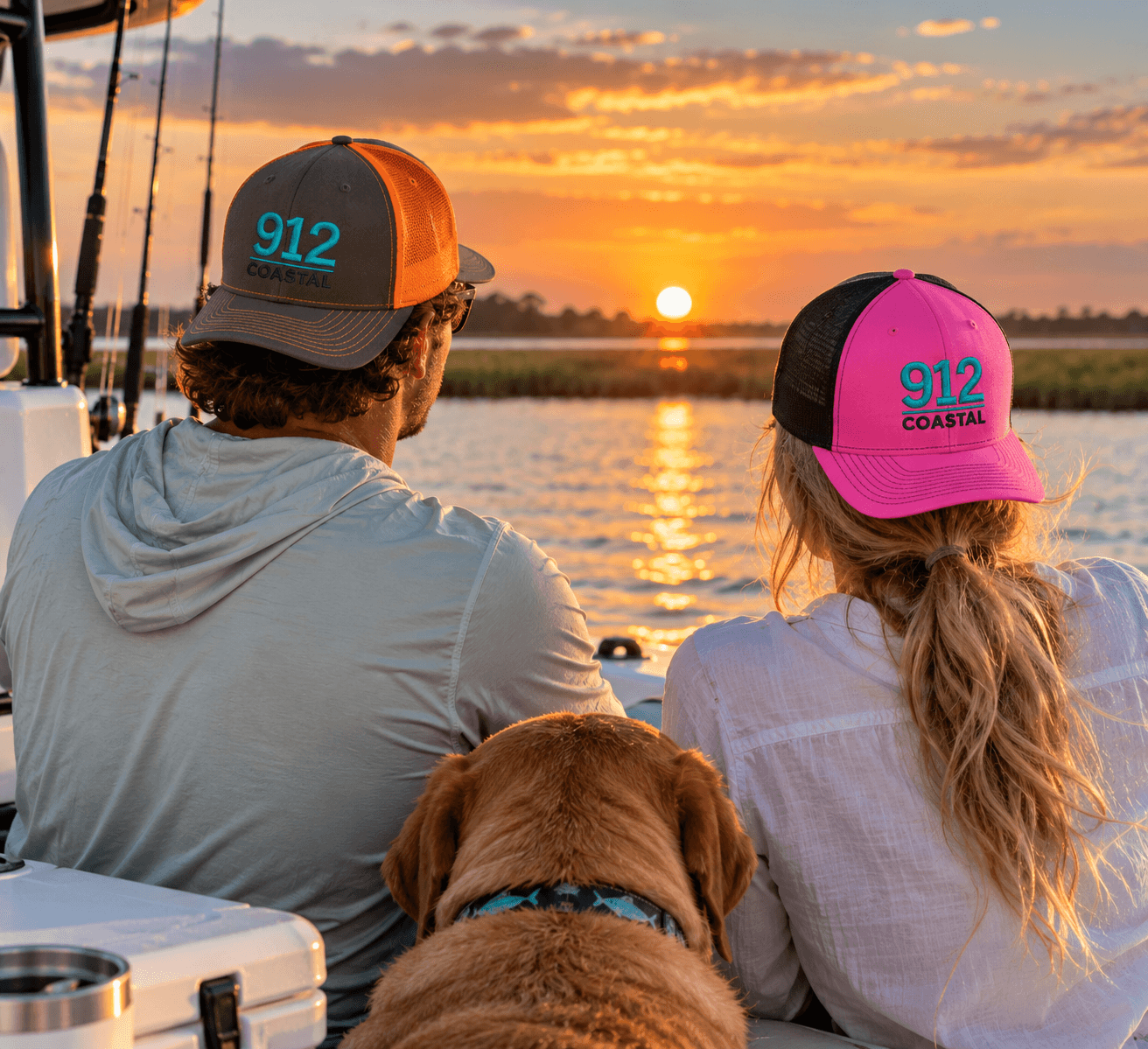
Introducing the Free Buoy Collection
Not Everyone Blends In... And Neither Should Your Hat.
The Free Buoy Hats bring bold colors and unmistakable coastal personality to your next fishing trip, beach day, or boat ride. Comfortable and easy to wear, they're made for anyone who doesn't mind standing out.

912 Coastal Coastal Classics™
Built for Long Days on the Water.
The Coastal Classics™ Performance Fishing Shirt combines lightweight comfort and performance features to keep you cool and comfortable while fishing, boating, or enjoying the dock. It's made for long days on the water and everyday life along the coast.
ABOUT 912 COASTAL
912 Coastal is your home for fishing, boating, and coastal living across Georgia and Northeast Florida. Discover local fishing reports, gear reviews, guides, and coastal adventures.
Tight lines, and welcome to the 912 Coastal community!


Join thousands of anglers and get fishing tips, local reports, new blog posts, gear recommendations, and exclusive 912 Coastal updates delivered to your inbox.