
Camping on Cumberland Island, Georgia: Complete Guide
Camping on Cumberland Island, Georgia: Campgrounds, Reservations & Tips
Camping on Cumberland Island, Georgia, offers a chance to experience the coast after the day visitors have returned to the mainland. With maritime forests, undeveloped beaches, historic sites, and the sounds of the Atlantic nearby, an overnight stay can be a memorable outdoor adventure.
Located off St. Marys in Camden County, Cumberland Island National Seashore protects a largely undeveloped barrier island. Camping here takes more planning than a typical campground because visitors must arrange transportation by ferry or private boat, carry their gear, and follow the park's rules.
If you're considering an overnight trip, here's what you need to know before making a reservation.
Can You Camp on Cumberland Island?
Yes. Cumberland Island has five designated campgrounds, ranging from developed walk-in campsites to more remote wilderness camping areas.
Camping is allowed only in designated campgrounds, and every camper must have a reservation and permit. Camping directly on the beach or choosing an unmarked location to pitch a tent is not permitted.
Your campground choice will affect how far you must hike, what facilities are available, how you store food, and how much equipment you need to carry.
The Five Cumberland Island Campgrounds
1. Sea Camp Campground
Sea Camp is the most developed campground on Cumberland Island and is a popular choice for first-time campers.
Located approximately half a mile from Sea Camp Dock, it offers walk-in tent sites, potable drinking water, flush toilets, cold showers, and food-storage lockers.
Campers must carry their equipment from the dock to their campsite. Designated fire rings are available, but beach fires are not allowed.
Sea Camp is a good option for visitors who want an overnight island experience without hiking as far into the wilderness.
2. Stafford Beach Campground
Stafford Beach provides a more secluded camping experience than Sea Camp. Reaching the campground requires hiking inland from the island's trail system, so campers should be prepared to carry their gear.
Potable water is available, but facilities are more limited than at Sea Camp. Plan your equipment and food supplies carefully before leaving the dock.
Stafford Beach is worth considering if you want a quieter setting and are comfortable with a more demanding trip.
3. Hickory Hill Wilderness Campground
Hickory Hill is one of the island's remote wilderness camping options.
Facilities are limited, and campers must be prepared to hike their gear into the wilderness. Water must be treated at wilderness campgrounds, and food needs to be stored securely.
Campfires are not permitted at Hickory Hill. This campground is best suited to visitors with experience planning self-sufficient camping trips.
4. Yankee Paradise Wilderness Campground
Yankee Paradise offers a remote setting for campers who want to explore farther into Cumberland Island.
Expect limited facilities, longer hiking distances, and the need to carry all necessary equipment. Water treatment and secure food storage are essential.
No campfires are allowed at Yankee Paradise. Check current trail access and any seasonal wilderness closures before reserving.
5. Brickhill Bluff Wilderness Campground
Brickhill Bluff is the northernmost of the island's five designated campgrounds and offers a remote wilderness experience.
This option requires careful planning because of its distance from the main ferry landing and limited facilities. Campers must carry their gear, treat water as required, store food securely, and pack out all trash.
Campfires are prohibited at Brickhill Bluff.
Important: The National Park Service closes wilderness areas and associated campsites during certain managed hunts, generally held between October and January. Check current restrictions before booking a fall or winter camping trip.
How to Reserve a Cumberland Island Campsite
Reservations are required for all five campgrounds and can generally be made up to six months in advance.
Use the official reservation website to review campsite availability, fees, restrictions, and cancellation policies.
Reserve your campsite: https://www.recreation.gov/
Search for Cumberland Island National Seashore and select your preferred campground and dates.
After booking, print your camping permit within the allowed 10-day window before your trip and bring it with you. Keep a copy available throughout your stay.
Do not reserve a campsite without also planning your transportation. Ferry tickets and campground reservations are separate arrangements, and everyone in your camping party needs appropriate round-trip transportation or a private-boat plan.
Getting to Cumberland Island for an Overnight Trip
Most campers depart from the mainland visitor center in downtown St. Marys, Georgia, aboard the passenger ferry.
The ferry ride takes approximately 45 minutes. Seasonal schedules affect departure and return options, so check the current schedule before booking your campsite.
Sea Camp campers are required to return on the designated 10:15 a.m. ferry from Sea Camp Dock. Campers at Stafford Beach and the wilderness campgrounds may have additional return options on operating days, subject to current ferry rules.
Plan carefully: a missed return ferry can create serious transportation problems on an island without road access to the mainland.
Overnight parking is available in the designated parking lot near the mainland visitor center. Lock your vehicle and avoid leaving valuables visible.
What Should You Pack for Cumberland Island Camping?
Because you must transport your supplies to your campsite, packing efficiently matters.
Bring:
Tent, sleeping bag, and sleeping pad.
Drinking water and water-treatment supplies appropriate for your campground.
Food for the entire trip, including snacks.
Secure food-storage equipment as required by park rules.
Flashlight or headlamp with spare batteries.
Insect repellent and sunscreen.
Weather-appropriate clothing and rain protection.
First-aid kit and personal medications.
Toilet and hygiene supplies appropriate to the campground.
Trash bags for carrying out all waste.
Printed camping permit and reservation details.
Ferry tickets and identification.
Sea Camp and Stafford Beach have potable water. At wilderness campgrounds, water must be treated before drinking. Confirm the current water sources and requirements for your specific site before departure.
Carts are not permitted north of Sea Camp, so campers heading to Stafford Beach or the wilderness sites should be prepared to carry their gear.
Wildlife, Food Storage, and Camping Safety
Cumberland Island is home to wild horses, raccoons, and other wildlife. Proper food storage is essential, particularly at wilderness campgrounds.
Follow the campground's food-storage rules, use designated lockers or appropriate hanging systems, and never leave food or trash unattended.
Keep at least 50 feet away from wild horses. They can bite or kick, even when they appear calm.
Respect quiet hours, protect vegetation, and stay on established trails. Follow posted instructions and leave historic structures, wildlife, and natural features undisturbed.
There are no trash cans on the island. Everything you bring in must be packed out.
Can You Camp on the Beach?
No. Overnight camping is restricted to designated campgrounds within Cumberland Island National Seashore.
Although the island has miles of undeveloped beaches, you cannot simply pitch a tent along the shoreline. Reserve an approved campsite and use designated beach access points when exploring the coast.
Visitors should also respect marked sea turtle nesting areas, dune vegetation, and wildlife protection zones.
When Is the Best Time to Camp on Cumberland Island?
Spring and fall can offer comfortable conditions for hiking and exploring, while summer brings heat, humidity, and insects. Winter camping can be rewarding but requires preparation for cooler temperatures and seasonal transportation changes.
Before choosing dates, check the weather forecast, ferry schedule, campground availability, and any managed-hunt closures that may affect wilderness access.
Regardless of season, carry enough water, plan your return transportation, and avoid assuming that facilities or services will be available when you need them.
Is Cumberland Island Camping Worth It?
For visitors who enjoy hiking, quiet beaches, wildlife, and self-sufficient outdoor adventures, camping on Cumberland Island can be a rewarding experience.
Sea Camp provides a more accessible introduction to overnight camping, while Stafford Beach and the wilderness campgrounds offer more remote experiences for visitors prepared to hike and carry their supplies.
The key is to choose the right campground, reserve ahead, and understand the island's transportation and safety requirements.
Explore More Cumberland Island Guides
Planning an overnight visit? Continue exploring these 912 Coastal resources:

The Heritage Collection
Built for the Coast. Ready for Every Adventure.
The Heritage Long Sleeve delivers lightweight comfort, moisture-wicking performance, and UPF 44+ sun protection for long days on the water. It's a dependable coastal layer for fishing, boating, dock days, and watching the sunset.
The Driftwood Collection
Top Off Your Coastal Style.
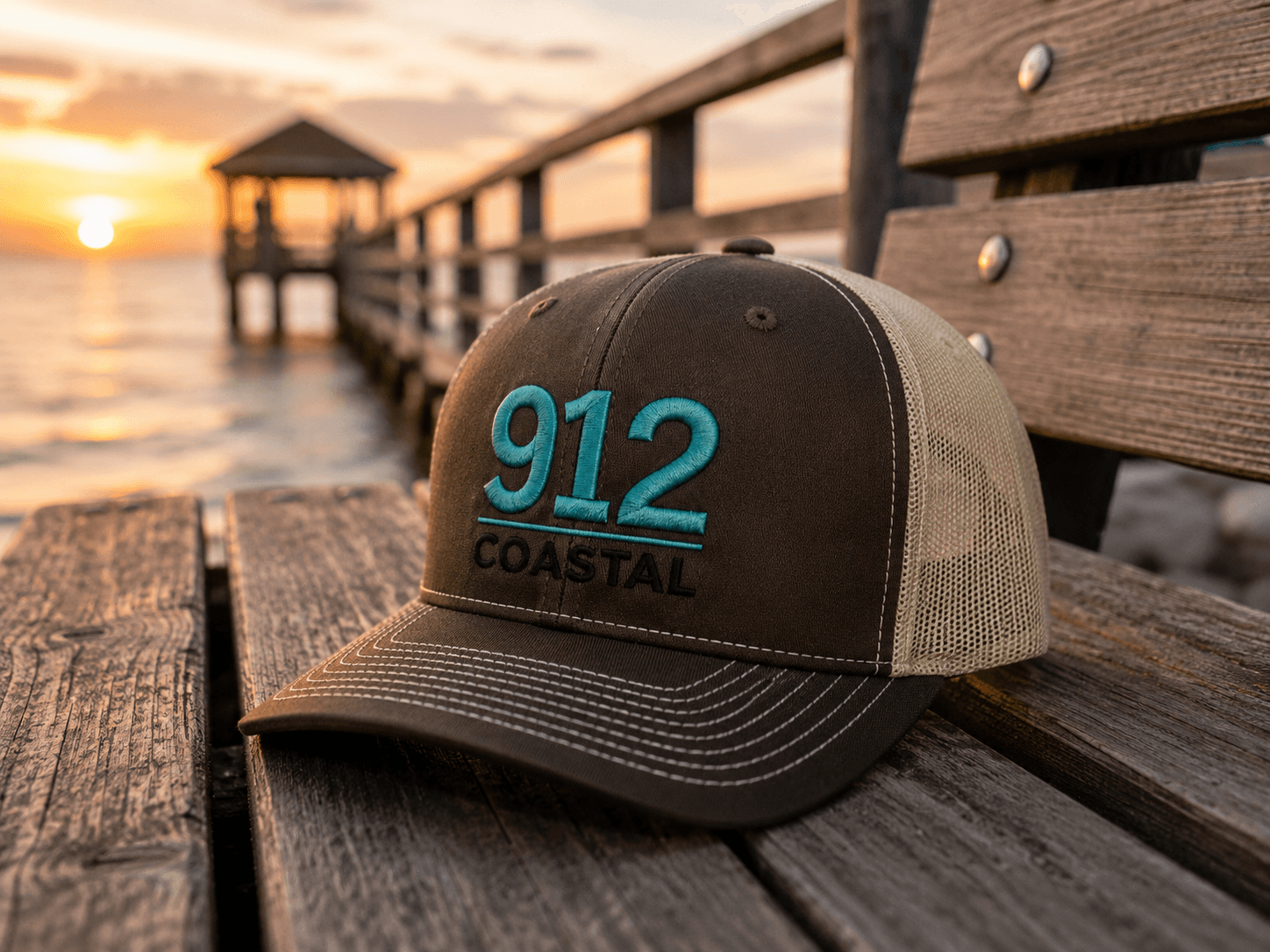
Classic coastal style meets everyday comfort in the Driftwood Hat, made for fishing days, boat rides, beach walks, and everything in between.


ABOUT 912 COASTAL
912 Coastal is your home for fishing, boating, and coastal living across Georgia and Northeast Florida. Discover local fishing reports, gear reviews, guides, and coastal adventures.
Tight lines, and welcome to the 912 Coastal community!


Join thousands of anglers and get fishing tips, local reports, new blog posts, gear recommendations, and exclusive 912 Coastal updates delivered to your inbox.