
Cumberland Island Beaches, Georgia: Visitor Guide
Cumberland Island, Georgia, is home to miles of undeveloped Atlantic coastline, making it one of the most distinctive beach destinations on the Georgia coast. Unlike crowded resort beaches, Cumberland Island offers wide stretches of sand, natural dunes, coastal wildlife, and a peaceful setting protected as part of Cumberland Island National Seashore.
Whether you're planning a beach day, looking for seashells, taking photographs, or hoping to enjoy a quiet walk along the Atlantic, knowing how beach access works will help you make the most of your visit.
Where Are the Beaches on Cumberland Island?
Cumberland Island sits off the coast of St. Marys in Camden County, Georgia. The island is accessible by passenger ferry or private boat, and there is no bridge connecting it to the mainland.
The National Park Service protects the island's natural environment, including its beaches, dunes, maritime forests, and wildlife habitat.
Visitors can access the beach through designated crossings throughout the island. These crossings use established trails or boardwalks to help protect fragile dune vegetation.
For most day visitors arriving by ferry, Sea Camp Beach is a practical starting point.
Sea Camp Beach: A Popular Starting Point
Sea Camp Beach is among the easiest beaches to reach for visitors arriving on the Cumberland Island ferry.
From the Sea Camp dock, the walk to the beach is approximately half a mile through the maritime forest and along established paths and boardwalks.
This route provides access to the Atlantic shoreline without requiring a long hike across the island. Visitors should still allow time for the return walk and their scheduled ferry departure.
Sea Camp is a good option for people who want to enjoy the beach during a day trip without traveling deep into the island.
Before leaving the dock area, check the park map, identify your return route, and confirm the ferry's departure time.
What Are Cumberland Island Beaches Like?
Cumberland Island's beaches are natural, largely undeveloped stretches of Atlantic shoreline. Visitors won't find the typical rows of beachfront hotels, commercial boardwalks, or restaurants found at many popular coastal destinations.
Instead, the landscape features open sand, ocean waves, dunes, coastal vegetation, and changing shoreline conditions.
Depending on the weather and season, you may see shorebirds, shells, driftwood, and other signs of the island's natural coastal environment.
The lack of commercial development is part of what makes Cumberland Island special, but it also means visitors need to arrive prepared.
Bring drinking water, food, sun protection, and anything else you need for your planned stay.
Can You Swim at Cumberland Island?
Swimming is permitted at Cumberland Island, but visitors should understand that these are natural ocean beaches without lifeguards.
Atlantic surf conditions, tides, rip currents, and marine wildlife can create hazards. Conditions may change throughout the day, even when the weather appears calm.
Before entering the water:
Check the local surf forecast and rip-current risk.
Pay attention to posted warnings and ranger guidance.
Swim with another person rather than alone.
Keep children under close supervision.
Avoid entering the water when surf or currents are dangerous.
Bring drinking water and protect yourself from the sun.
If caught in a rip current, do not try to swim directly against it. Stay calm, float or tread water if necessary, and swim parallel to shore when able to escape the current. Call for help if you cannot get out safely.
Visitors are responsible for their own safety because lifeguard services are not available on the island.
Can You Find Seashells on Cumberland Island?
Beachcombing is a popular activity on Cumberland Island. Shells can be found along the shoreline, and rough weather may wash additional shells onto the beach.
The National Park Service permits visitors to collect unoccupied seashells and fossilized shark teeth for personal, noncommercial use, subject to park rules.
Always check shells carefully to make sure they do not contain living animals. Leave living creatures, plants, historic objects, and other natural materials where you find them.
Beachcombing is best approached as an opportunity to explore and observe the shoreline rather than a search for souvenirs. Photograph interesting discoveries and leave the beach in good condition for the next visitor.
Wildlife and Sea Turtles Along the Beach
Cumberland Island's beaches provide important habitat for wildlife, including shorebirds and nesting loggerhead sea turtles.
During nesting season, visitors should be especially careful around dunes and marked nesting areas. Avoid disturbing nests, approaching wildlife, or leaving anything behind on the sand.
Use designated beach crossings and boardwalks rather than walking through the dunes. Dune vegetation helps stabilize the shoreline and supports the island's coastal ecosystem.
Wild horses are another well-known part of Cumberland Island, although they are not confined to the beach. If you encounter them, observe from a safe distance and never feed or approach them.
What Should You Bring to the Beach?
Cumberland Island has limited visitor facilities, so preparation matters.
For a comfortable beach visit, bring:
Plenty of drinking water.
Lunch and snacks.
Sunscreen and a hat.
Insect repellent.
Comfortable walking shoes or sandals suitable for the route.
A towel and appropriate swimwear if you plan to swim.
A small bag for carrying out your trash.
A fully charged phone, while recognizing that connectivity may be limited.
Pack everything you need for the day and plan to carry your trash back with you. Do not assume you will find a store, restaurant, or trash receptacle near the beach.
How to Reach Cumberland Island's Beaches
Most day visitors take the passenger ferry from downtown St. Marys, Georgia. Ferry schedules and availability vary by season, so reservations and advance planning are recommended.
The ferry does not transport private vehicles, and visitors must explore the island on foot or by other permitted means.
Private boat access is another option, but boaters should check current National Park Service docking information, restrictions, and access conditions before departing.
Remember that the distance between the beach, historic sites, and ferry docks can make a day feel shorter than expected. Allow enough time to return to your departure point.
For transportation details, read our Cumberland Island Ferry Guide and our Cumberland Island Day Trip from St. Marys Guide.
Are Cumberland Island Beaches Worth Visiting?
For visitors who appreciate natural scenery, open coastline, wildlife, and quieter beaches, Cumberland Island is well worth considering.
Its undeveloped shoreline offers a different experience from the commercial beaches found elsewhere along the Southeast coast. You can walk for long stretches, explore the natural landscape, look for shells, or simply spend time enjoying the Atlantic Ocean.
The key is understanding that Cumberland Island is a protected national seashore, not a fully serviced beach resort. Visitors who prepare for limited facilities and respect the island's rules will be better positioned to enjoy their time there.
Explore More Cumberland Island Guides
Continue planning your trip with these 912 Coastal resources:
Cumberland Island is one of the special places that makes Georgia's coast worth exploring. Plan ahead, protect the natural environment, and leave the beach as beautiful as you found it.
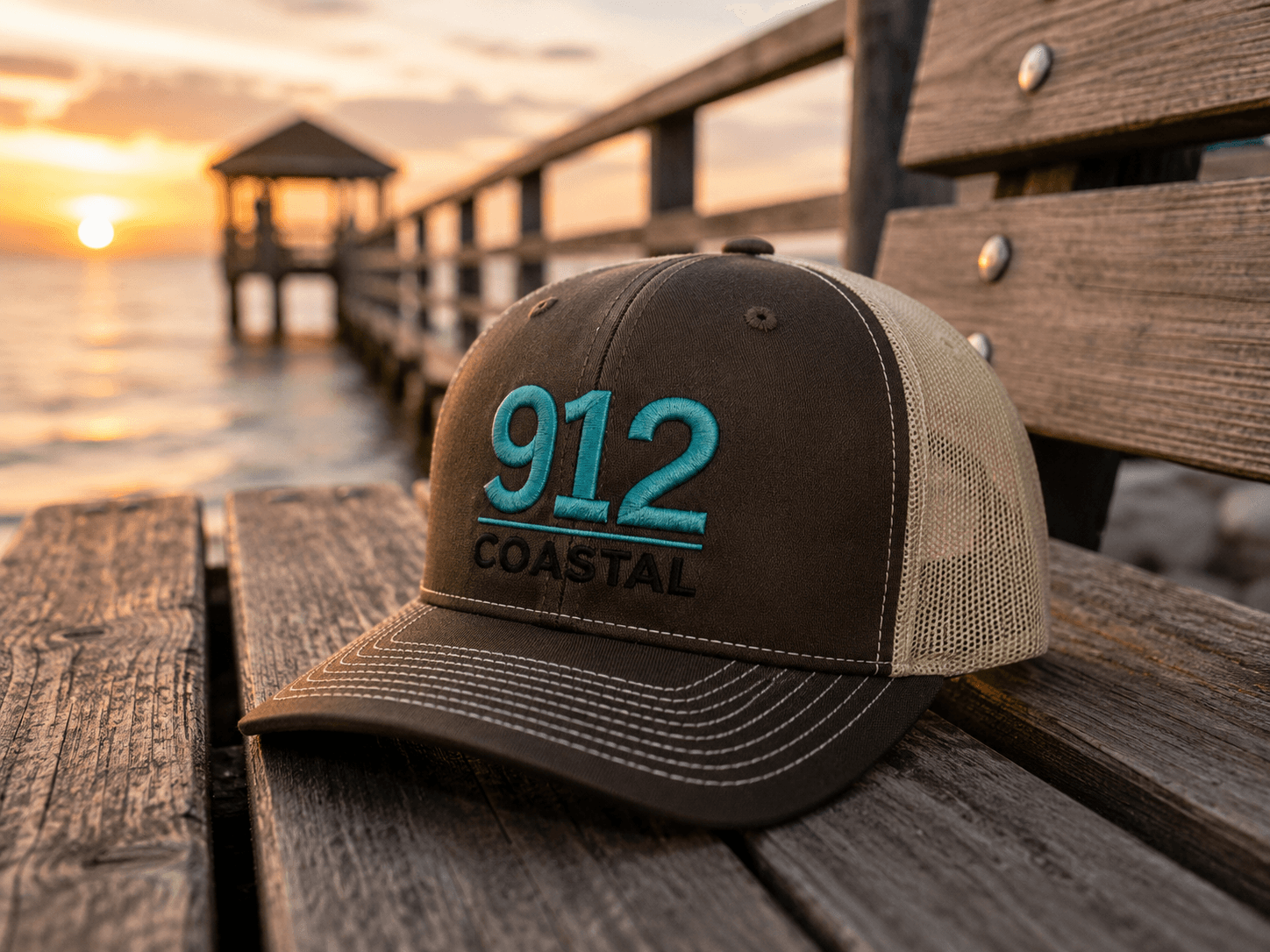
DRIFTWOOD HAT
The Driftwood Collection
Top Off Your Coastal Style.
Classic coastal style meets everyday comfort in the Driftwood Hat, made for fishing days, boat rides, beach walks, and everything in between.

912 Coastal Coastal Classics™
Built for Long Days on the Water.
The Coastal Classics™ Performance Fishing Shirt combines lightweight comfort and performance features to keep you cool and comfortable while fishing, boating, or enjoying the dock. It's made for long days on the water and everyday life along the coast.


ABOUT 912 COASTAL
912 Coastal is your home for fishing, boating, and coastal living across Georgia and Northeast Florida. Discover local fishing reports, gear reviews, guides, and coastal adventures.
Tight lines, and welcome to the 912 Coastal community!


Join thousands of anglers and get fishing tips, local reports, new blog posts, gear recommendations, and exclusive 912 Coastal updates delivered to your inbox.