Cumberland Island Wildlife: Birds, Sea Turtles & Animals
Cumberland Island, Georgia, is home to a remarkable variety of wildlife, from shorebirds and loggerhead sea turtles to wild horses, armadillos, alligators, and dolphins. Its beaches, maritime forests, salt marshes, and tidal creeks create habitats for hundreds of species.
Whether you are visiting for a day trip, hiking the island's trails, or camping overnight, wildlife is one of the biggest reasons Cumberland Island is worth exploring.
Birds on Cumberland Island
Cumberland Island is an excellent destination for birdwatching. Its beaches, marshes, maritime forests, and waterways attract resident birds as well as migratory species.
Depending on the season and habitat, visitors may spot:
Great blue herons
Brown pelicans
Great egrets
Ospreys
Bald eagles
Sandpipers and other shorebirds
Gulls and terns
Look for wading birds feeding along the shoreline and tidal creeks. Ospreys may be seen hunting over the water, while shorebirds search for small fish and invertebrates along the beach.
Bring binoculars if birdwatching is on your itinerary. Early mornings are often rewarding because wildlife activity can be easier to observe before the island becomes busier.
Loggerhead Sea Turtles
Cumberland Island's beaches provide important nesting habitat for loggerhead sea turtles. Nesting season generally runs from May through October, although timing varies with weather and local conditions.
Female turtles come ashore to lay their eggs in the sand. After the eggs hatch, young turtles make their way toward the ocean.
If you visit during nesting season, remember these important guidelines:
Never approach, touch, or disturb a sea turtle.
Do not use flash photography around nesting turtles.
Avoid disturbing marked nests.
Keep lights away from the beach at night when possible.
Follow all posted National Park Service instructions.
Sea turtles are protected wildlife. If you see a nesting turtle or hatchlings, give them plenty of space and allow them to move without interference.
Cumberland Island's Wild Horses
The island's free-roaming horses are among its most recognizable sights. Visitors may encounter them near trails, open areas, historic ruins, or the edges of the maritime forest.
Although the horses may appear accustomed to people, they are wild animals. They can kick, bite, or behave unpredictably, especially when people get too close or attempt to feed them.
Keep at least 50 feet away from horses, and move farther back if an animal approaches. Never feed them or try to pet them.
For more information, visit our related article about Cumberland Island's wild horses.
Alligators and Other Reptiles
Cumberland Island's freshwater ponds, wetlands, and marsh habitats support reptiles and amphibians, including American alligators.
Alligators may be seen near freshwater areas, where they rest, hunt, or regulate their body temperature. They generally avoid people when given space, but they should always be treated with caution.
When exploring the island:
Stay away from alligators and never attempt to feed them.
Keep a safe distance from the edges of freshwater areas when visibility is poor.
Do not approach or handle snakes or other reptiles.
Supervise children near ponds, creeks, and marsh edges.
The island also supports a variety of smaller reptiles and amphibians that may be easier to spot along shaded trails or near wetland habitats.
Armadillos and Other Land Animals
Beyond its famous horses, Cumberland Island supports a variety of mammals. Visitors may encounter armadillos, raccoons, deer, and other animals while walking through the maritime forest or exploring less-developed areas.
Armadillos are often spotted searching the ground for insects and other food. Deer may appear near forest edges and open clearings, especially when the island is quiet.
Wildlife sightings are never guaranteed. Animals may be more active at certain times of day, and many remain hidden in thick vegetation.
Observe animals quietly, avoid feeding them, and leave their natural behavior undisturbed.
Dolphins and Marine Wildlife
The waters around Cumberland Island are also home to marine wildlife. Bottlenose dolphins may be spotted swimming through nearby coastal waterways, tidal creeks, and offshore areas.
Dolphins sometimes surface near boats, but they are wild animals and should not be approached, chased, or fed.
Other marine life may be visible along the beach or in shallow water, including crabs, small fish, and other coastal species.
When exploring the shoreline, watch where you step and avoid disturbing animals in tide pools or other shallow-water habitats.
Where to See Wildlife on Cumberland Island
Different habitats offer different opportunities for wildlife viewing.
The beaches: Look for shorebirds, seabirds, tracks in the sand, and signs of sea turtle nesting during the appropriate season.
The maritime forest: Watch for armadillos, deer, songbirds, and other animals moving through the trees and undergrowth.
The salt marshes and tidal creeks: These areas provide feeding grounds for herons, egrets, fish, crabs, and other coastal wildlife.
Freshwater ponds and wetlands: These habitats may support alligators, turtles, frogs, and other wetland species.
Historic areas and open clearings: Horses and other mammals may be visible in open spaces, but sightings depend on their movements.
Give yourself time to explore slowly. Walking quietly and looking carefully often provides a better wildlife experience than trying to cover the island quickly.
Best Time of Year to See Wildlife
Wildlife can be observed throughout the year, but different seasons offer different opportunities.
Spring and summer bring warmer weather and increased activity from many birds and other animals. Loggerhead sea turtle nesting generally occurs from May through October.
Fall can provide opportunities to observe migratory birds, while cooler months may offer comfortable hiking conditions and quieter visits.
The best wildlife sightings depend on weather, tides, time of day, and natural animal behavior. No particular species is guaranteed to appear during your visit.
Wildlife Safety and Responsible Viewing
Cumberland Island is a protected natural area. Responsible wildlife viewing helps preserve the island for future visitors and protects the animals that live there.
Follow these basic rules:
Never feed wild animals.
Do not touch, chase, or corner wildlife.
Keep a safe distance from horses, alligators, and other large animals.
Stay on designated trails where required.
Do not disturb nests, eggs, or other signs of wildlife reproduction.
Pack out all trash and food waste.
Follow National Park Service rules and posted signs.
There are no trash cans available throughout much of the island, so visitors should plan to carry their trash back with them.
Before your visit, check the official Cumberland Island National Seashore website for current regulations, wildlife advisories, and visitor information.
Plan Your Cumberland Island Visit
Wildlife is only one part of the Cumberland Island experience. The island also offers undeveloped beaches, hiking trails, historic ruins, camping opportunities, and beautiful coastal scenery.
Because access is primarily by passenger ferry from St. Marys, planning ahead is important. Check ferry schedules, reservations, weather conditions, and any current park restrictions before leaving.
Explore our other 912 Coastal Cumberland Island articles for information about beaches, camping, hiking, historic sites, and planning your trip.
More Cumberland Island From 912 Coastal
912 Coastal | Coastal Life, Fishing, Boating & Adventure
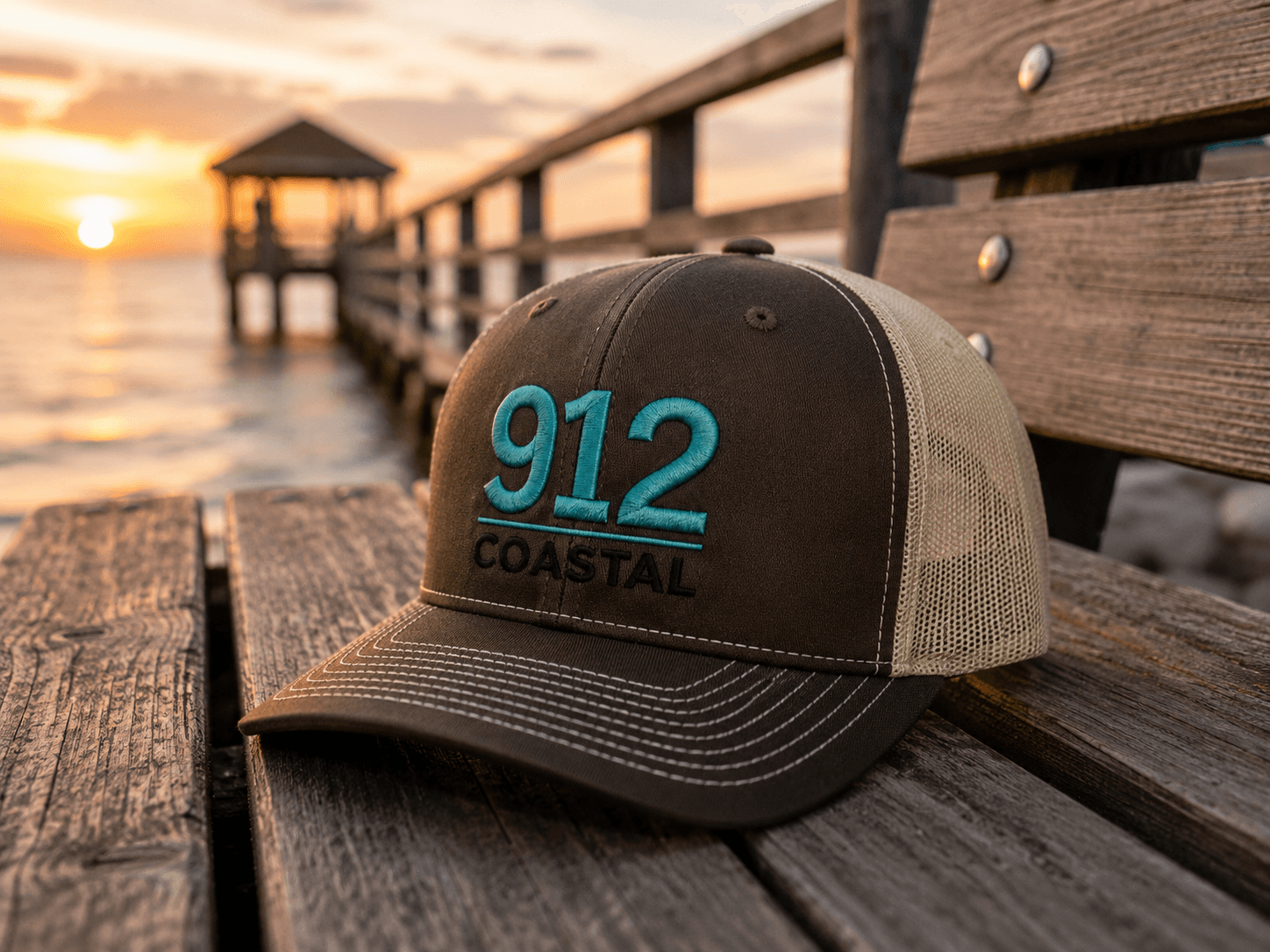
The Driftwood Collection
Top Off Your Coastal Style.
Classic coastal style meets everyday comfort in the Driftwood Hat, made for fishing days, boat rides, beach walks, and everything in between.

912 Coastal Coastal Classics™
Built for Long Days on the Water.
The Coastal Classics™ Performance Fishing Shirt combines lightweight comfort and performance features to keep you cool and comfortable while fishing, boating, or enjoying the dock. It's made for long days on the water and everyday life along the coast.
ABOUT 912 COASTAL
912 Coastal is your home for fishing, boating, and coastal living across Georgia and Northeast Florida. Discover local fishing reports, gear reviews, guides, and coastal adventures.
Tight lines, and welcome to the 912 Coastal community!


Join thousands of anglers and get fishing tips, local reports, new blog posts, gear recommendations, and exclusive 912 Coastal updates delivered to your inbox.